A podcast review of episode #28 understanding menopause with guest Dr Nicky Keay & host Carolyn Kent.
Menopause isn’t often discussed in football, but it should be. Every female player will go through it, and for many, it will bring physical, mental, and emotional challenges that impact their performance and well-being.
In our latest Women’s Football Hub podcast, Carolyn Kent sat down with Dr. Nicky Keay, an honorary clinical lecturer at University College London and author of Hormones, Health and Human Potential and The Myths of Menopause, to talk about the realities of menopause and how clubs, coaches, and players can better navigate it.
What is Menopause?
Menopause marks the point when a woman’s ovaries retire, meaning hormone levels drop, menstrual cycles stop, and the body adjusts to a new normal. For most women, this happens between the ages of 45 and 55, with the average age being 51. But the years leading up to menopause, known as perimenopause, can bring unpredictable changes to cycles, mood, and energy levels.
As Dr. Keay put it, “Menopause is a natural physiological event, but it’s a time of major hormonal shifts that can impact both physical and mental health. If we ignore it in football, we’re failing female players.”
How Does Menopause Affect Female Footballers?
Menopause isn’t just about hot flashes—though vasomotor symptoms (hot flashes and night sweats) are among the most common issues. Other symptoms include:
- Sleep disturbances – Poor recovery, increased fatigue
- Mood fluctuations & anxiety – Feeling on edge, irritable, or low
- Aches and pains – Muscle soreness without obvious injury
- Reduced bone density & muscle mass – Higher risk of injuries
- Changes in body composition – Increased fat mass, loss of lean muscle
For players, this can mean slower recovery times, increased injury risk, and performance fluctuations.
What Can Clubs and Coaches Do?
Clubs and coaches have a responsibility to support their players through menopause. But as Dr. Keay pointed out, many coaches—particularly male coaches—struggle to approach the topic.
“If you’re a coach, just knowing the basics can make a huge difference,” she said. “You don’t need to be a doctor, but recognising when a player might be struggling and creating an environment where they feel comfortable speaking up is key.”
Practical Tips for Coaches:
✅ Be open and supportive – Create a culture where players feel safe discussing their symptoms
✅ Allow flexibility in training – Adapt loads and recovery as needed
✅ Don’t make assumptions – Every woman experiences menopause differently
✅ Encourage strength training – It’s vital for maintaining muscle mass and bone health
As Dr. Keay emphasised, “A player might not say ‘I’m menopausal,’ but they might say, ‘I didn’t sleep well last night.’ Just checking in and showing understanding can go a long way.”
The Role of Strength & Conditioning
Strength training is non-negotiable for female players approaching menopause. Hormonal shifts lead to loss of muscle and bone density, increasing injury risk.
Dr. Keay advised that progressive overload—gradually increasing resistance—should be a core part of training. However, it doesn’t have to mean heavy gym sessions. Simple bodyweight exercises, resistance bands, and plyometrics can all be effective.
Her top tip? “Do what works for you—whether that’s weighted lunges, planks, or just short home workouts. The key is consistency.”
Menopause vs. Low Energy Availability: The Overlap
One challenge in diagnosing perimenopause is that its symptoms—fatigue, mood swings, and disrupted cycles—overlap with low energy availability (LEA) and RED-S (Relative Energy Deficiency in Sport).
Dr. Keay stressed the importance of looking at nutrition:
🔹 Carbohydrate restriction can worsen brain fog and fatigue
🔹 Insufficient fueling can mimic perimenopause symptoms
🔹 Thyroid function tests can help distinguish between the two
“Masters athletes are particularly at risk,” she explained. “They’re managing hormonal changes, body composition shifts, and often high-stress lifestyles. Cutting calories or carbs can make everything worse.”
Should Players Consider HRT?
Hormone Replacement Therapy (HRT) is a hot topic. While it’s not essential for everyone, it can be a game-changer for those struggling with symptoms.
Dr. Keay addressed some common myths:
🚫 HRT is not a sign of weakness – It’s a legitimate treatment, not a shortcut
🚫 It does not automatically cause breast cancer – Risk is comparable to drinking small amounts of alcohol
🚫 It’s not one-size-fits-all – The key is finding the right dose and type
She also pointed out that testosterone is on WADA’s banned list, so any player considering it needs to be aware of anti-doping regulations.
Final Thoughts: Let’s Talk About Menopause
If there’s one takeaway from this conversation, it’s that menopause isn’t just a ‘women’s issue’—it’s a football issue.
We need to normalise discussions around it, provide better education for coaches, and ensure female athletes have the support they need.
Dr. Keay’s advice?
🔹 Know your body – Track symptoms, understand your cycle
🔹 Fuel properly – Don’t under-eat or cut carbs unnecessarily
🔹 Train smart – Prioritise strength, balance, and flexibility
🔹 Don’t be afraid to seek help – Whether it’s a GP, a physio, or a specialist
Want to Learn More?
📖 Read Dr. Keay’s books:
- Hormones, Health and Human Potential
- The Myths of Menopause
🌐 Visit her website: Nicky Keay Fitness
📩 Need support? Reach out to us at Women’s Football Hub, and we’ll connect you with the right resources.
🎙 Listen to the full episode – Available now on Spotify, Apple Podcasts, and all major platforms.
Reference list
“Can you turn my podcast from this week into a blog? I would like you to follow the other blogs on http://www.womensfootballhub.com can you use that style? Here is the transcript” prompt. ChatGPT, version, OpenAI, 15 Feb. 2025, https://chatgpt.com/c/67b0731e-d644-8013-88c3-880143010d40
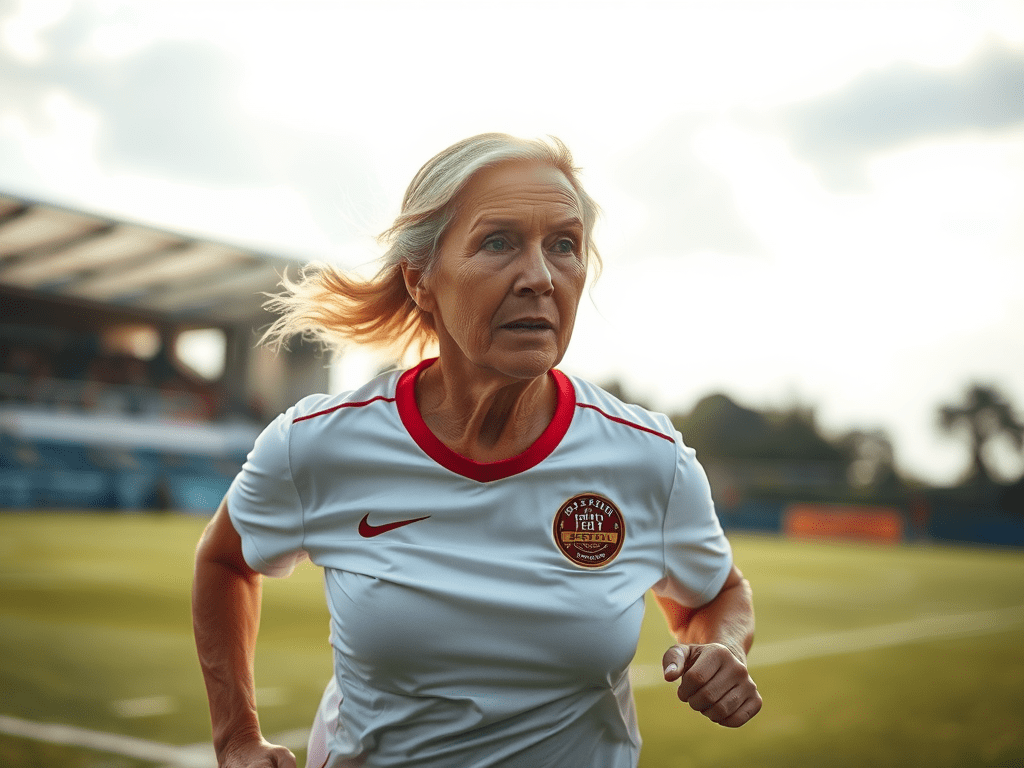
Image generated via flux.
 Women's Football Hub
Leave a comment