
With Dr Danyon Loud, Sports Engineer & Football Boot Researcher
Edited by Carolyn Kent – Women’s Football Hub
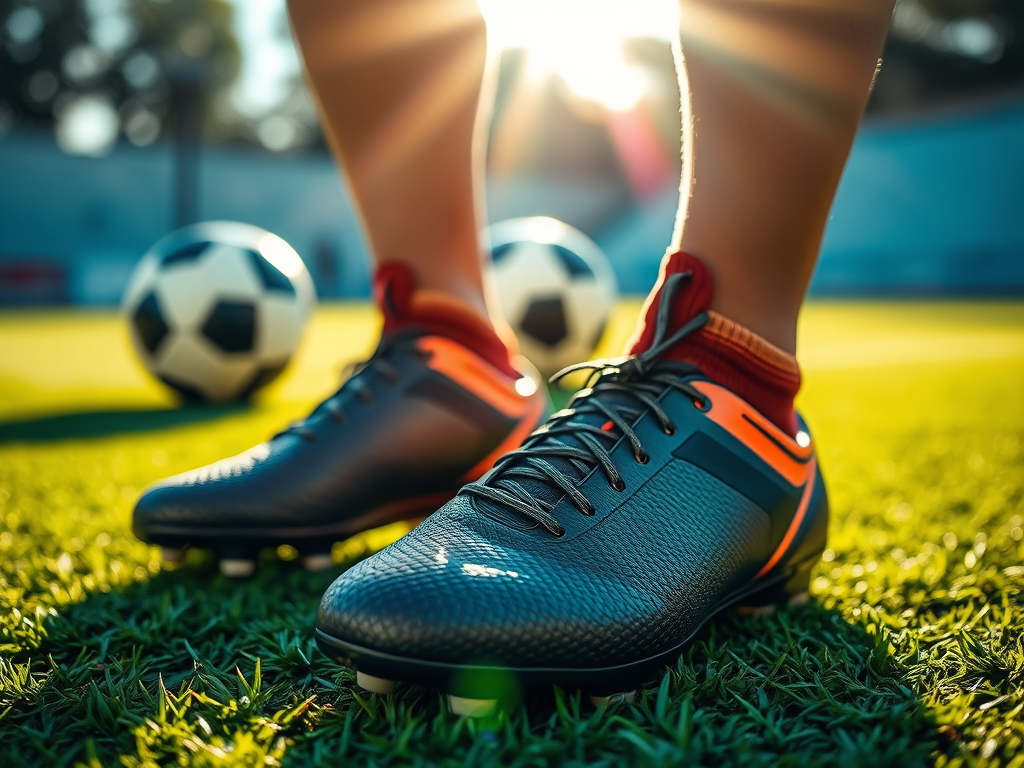
When it comes to football performance and injury prevention, we talk endlessly about GPS, training load, and recovery. But how often do we talk about the one piece of kit that connects every stride, turn, sprint, and shot to the pitch? Your football boots.
In this episode of the Women’s Football Hub Podcast, host Carolyn Kent sits down with Dr Danyon Loud sports engineer, football boot researcher, and former player to discuss what really matters when choosing boots. And spoiler alert: it’s not what the marketing tells you.
From Passion to PhD
Dr Loud’s journey into football boot research wasn’t driven by high-tech obsession or big-brand affiliation. It started with a simple, familiar experience: playing football and noticing how some boots just felt better.
“I always preferred leather uppers,” Loud recalls. “I wasn’t thinking about the tech I just liked the way they fit and moved with my foot.” That initial curiosity led him to sports engineering at the University of Adelaide, where he pitched the idea of researching how different football boots impact injury risk.
At first, his supervisor told him it sounded more like a PhD than an undergraduate honours project. Eight months later, Loud was back and this time, he was ready to do the full research.
The Myth of the Speed Boot
One of the most enduring marketing tactics in football is the idea that a specific boot will make you faster, more accurate, or more dominant on the pitch. Labels like “control boot,” “touch boot,” and “speed boot” make big promises but Dr Loud says the science doesn’t support them.
“There’s very little evidence that boots make you faster,” he explains. “One of the most commonly cited studies showed almost no difference in sprint performance based on stud configuration.”
And what about weight? Players are often told that a lighter boot equals more speed. But Loud reveals the actual difference between a “speed boot” and a standard boot from the same manufacturer can be as little as 20 grams equivalent to a haircut or a trip to the loo before the match. Hardly game-changing.
“It’s marketing,” he says plainly. “We need to stop letting advertising dictate what we wear on the pitch.”
Stud Configuration: A Hidden Injury Risk
While performance gains are marginal at best, the wrong boot can have serious injury implications especially for female players. Much of Dr Loud’s research has focused on how stud shape, length, and placement relate to stress distribution in the foot.
“One of the key problems is that most boots are still designed around male anatomy,” he says. “That includes not just the shape of the boot, but also the positioning of the studs.”
One problematic area is the lateral side of the boot, where studs often sit directly beneath the fifth metatarsal an area more vulnerable in female players due to differences in bone structure and loading patterns. This can lead to an increased risk of stress fractures.
“We’re seeing more overload injuries in that pinky-toe region,” Loud explains. “It’s a design issue that hasn’t been properly addressed for women.”
What Should You Wear on 3G or 4G?
Many players especially in grassroots and academy settings play most of their football on artificial surfaces. But are they wearing the right boots?
Dr Loud recommends AG (artificial ground) boots for 3G and 4G surfaces. These feature shorter, circular studs designed to distribute pressure more evenly and reduce the risk of injury. They’re more stable, especially in wet or frosty conditions, where slipping becomes a concern.
If AG boots aren’t available, FG (firm ground) boots with circular studs are a reasonable substitute but avoid bladed studs and never wear soft ground (SG) boots on artificial turf.
“SG boots on turf are a bad mix,” Loud warns. “The pressure distribution is completely different, and you’re just asking for injury.”
Leather vs. Synthetic: Why Comfort Still Wins
Many modern boots favour sleek, synthetic uppers. They’re light, waterproof, and aesthetically appealing but they often sacrifice comfort and flexibility.
For Dr Loud, leather remains the gold standard for fit and feel. “They mould to your foot over time,” he explains. “A synthetic boot tends to stay stiff, which can increase pressure points and discomfort.”
Carolyn, who also wore leather boots as a player, agrees. “They moved with me. I could feel the difference.”
While synthetic materials may dominate high-end boots, comfort is personal and often overlooked in favour of fashion or peer pressure. If you’re buying boots because your teammates wear them or they’re on sale, you might be compromising your own performance and injury prevention.
Are Female-Specific Boots Actually Different?
The rise of “female-specific” football boots is welcome but not always meaningful. According to Dr Loud, the most authentic efforts include adjustments to the last (the mould around which the boot is formed), allowing for a narrower heel and wider forefoot both common features in female foot morphology.
However, other features, like high collars for ankle “lockdown” or colour-based marketing, don’t necessarily equate to a better fit or safer boot.
“The key is actual anatomical consideration,” Loud emphasises. “If the last hasn’t been adjusted, it’s probably not a true female-specific boot no matter how it’s marketed.”
Boot Shopping Advice: Don’t Settle for Less Than a 8/10 Fit
With online shopping now the norm, many players buy boots without trying them on. That’s a mistake, says Loud.
“Your boot should feel comfortable straight out of the box,” he explains. “Not perfect, but at least an 8, or 9 out of 10. You shouldn’t need to ‘break them in’ over weeks.”
When trying on boots:
- Wear your actual match socks.
- Test lateral movement, not just walking.
- Compare multiple models, not just your favourite brand.
“It might take an extra 20 minutes in the shop,” Loud adds, “but it could save you a season of discomfort or worse a preventable injury.”
Practical Tips for Players and Coaches
✅ For players: Prioritise fit over style. Check the stud configuration, especially if you’ve had issues like metatarsal pain, blisters, or heel discomfort.
✅ For coaches: Take an interest in what your players are wearing. Encourage trialling boots at training before matches. Invest time in understanding surface-boot combinations to reduce injury risk.
✅ For parents: Don’t automatically buy the most expensive boots or assume high price means better protection. Dr Loud explains that entry-level boots often look like premium ones but lack tech, cushioning, and comfort features.
Final Thoughts: Science Over Style
This episode makes one thing clear: football boot selection isn’t just about aesthetics or marketing claims it’s about biomechanics, comfort, and context.
Whether you’re playing elite football or coaching at grassroots level, understanding how boots interact with the foot and the pitch can go a long way in enhancing performance and reducing injury risk especially in the women’s game.
🎙️ Listen to the full episode now on Spotify, Apple Podcasts, or your favourite platform.
📍 Visit http://www.womensfootballhub.com for more podcast episodes, blogs, and resources.
🛠️ This blog was created using ChatGPT and then checked and edited by the podcast host for accuracy and clarity.
#FootballBoots #WomensFootball #DanyonLoud #InjuryPrevention #SportsEngineering #BootFit #PlayerHealth #FemaleAthlete #PerformanceKit #FootballPodcast
 Women's Football Hub
Leave a comment