
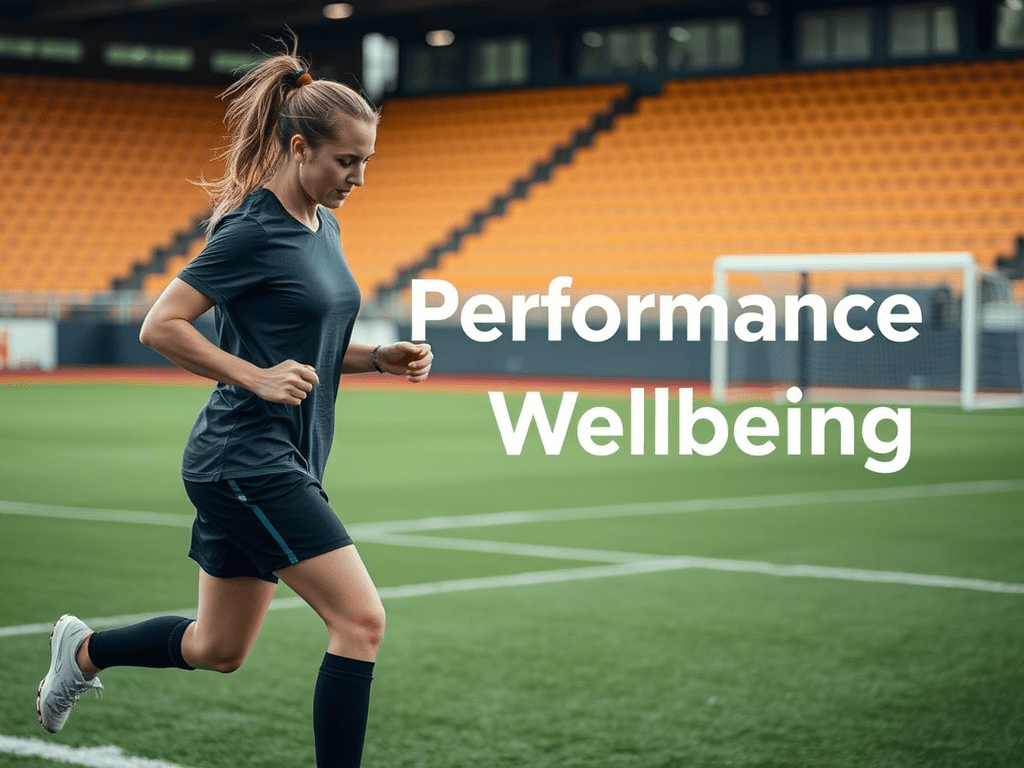
Guest: Jenny Coe – Performance Psychologist; formerly at West Ham United and UK Sport; ex–Performance Wellbeing Lead at The FA; now Senior Lead for Workforce Development.
Editor: Carolyn Kent, Women’s Football Hub.
Sport as connection, identity and belonging
Jenny Coe’s story begins in Ireland, where sport wasn’t just a pastime but a cultural expectation. Surrounded by fields and schools that championed participation, she tried everything from Irish dance to swimming before finding her home in basketball. Success followed quickly: a national team call-up, travel to the United States, and the social rewards of being part of something bigger than herself.
That sense of connection and belonging friends found through teams, shared identity and status within school set the foundation for her later work. When she moved to London in her thirties, the absence of that ready-made community was felt keenly: “You always had friends until… you didn’t.” It’s this awareness of how sport embeds people socially that underpins Jenny’s philosophy of performance through wellbeing.
Defining wellbeing in football
So what does “wellbeing” actually mean for a female footballer? Jenny has refined her answer over years in high-performance settings: it is the ability to feel safe, supported and valued as a whole person.
On the pitch, wellbeing brings mental clarity and emotional stability in a sport defined by highs and lows. Off the pitch, it means healthy relationships, financial security, and a strong sense of purpose and identity. Without these, players can find themselves reduced to a shirt number, fragile in the face of injury, poor form, or external criticism.
She recalls a visual used after the London 2012 Olympics: a pie chart where medals represented only a small slice of success. “The boots eventually come off,” she reflects, “and who you are then really matters.”
Are environments meeting holistic needs?
Progress has been made, Jenny believes. More clubs are appointing wellbeing, lifestyle and psychology staff. Conversations about the emotional and social aspects of performance are happening. Yet the tendency to treat wellbeing as “a little space over there” remains. Too often, support is reactive stepping in when problems arise rather than designed in from the start.
Referencing the new women in sport book, Jenny argues we must stop treating inclusion as a bolt-on: “Design for everyone from the offset. Nourish them when they arrive, and you’ll get the best out the other side.”
Overlooked challenges: finance, identity, transitions, and social media
Jenny identifies four recurrent pressures in the women’s game:
- Financial insecurity – beyond the top tier, contracts rarely sustain a career. Players juggle multiple jobs, study, or businesses alongside football. Even practitioners face long hours, travel and low entry salaries in big cities.
- Identity pressure – rapid growth in the women’s game has brought visibility, but also a risk of players being defined only by football. Injuries or dips in form can destabilise those with no broader identity.
- Life transitions – maternity, retirement, or moves abroad can all be destabilising. Jenny points to Mary Earps’ light-hearted TikTok about language struggles in France as an example of how humour can mask adaptation challenges.
- Social media – both a platform and a threat. Abuse, exposure and “keyboard warrior” culture place new strains on players, requiring clubs to provide proactive listening, support and protection.
The coach effect: words that shape environments
In Jenny’s experience, coaches and staff set the tone daily. A careless comment “Haven’t scored in 10 games” can undo months of psychological work. Coaches don’t need to be counsellors, but they do need to be approachable, consistent and self-aware.
“The spoken word can’t be taken back,” Jenny notes. Tone, body language, even how meetings are run all contribute to a climate of psychological safety or its absence. The art is in noticing, checking assumptions, and acting when you truly have capacity.
Moving beyond “tick-box” culture
One of Jenny’s frustrations is the reliance on bolt-on workshops and certificates: safeguarding, first aid, one-day mental health sessions. “We are years behind,” she argues. True support isn’t about tick-boxes but embedding wellbeing into the rhythm of the season.
She points to her time at West Ham, where curiosity replaced contempt in multidisciplinary meetings. Nutritionists and S&C coaches cross-questioned each other respectfully, grounded in evidence. Informal rituals like “check-in breakfasts” built trust and connection over time. These weren’t grand gestures but consistent practices that made wellbeing part of everyday life.
Balancing results with values
Of course, results matter. Football is a performance industry. But Jenny is clear: “Win at all costs” is not sustainable. Instead, values and wellbeing must run alongside ambition, creating environments where performance is repeatable, not erratic.
Technology, choice and ownership
Jenny also highlights the growing obsession with wearable tech rings, watches, monitors. Data can be useful, but can also mislead: “The Whoop would say you slept badly, and the person would be in flying form until they looked at it.” For her, the principle is clear: informed choice and autonomy, not dependence on devices to tell players how they feel.
A message beyond the elite game
Asked for one final message to players, parents and coaches, Jenny is unequivocal: “Football is part of your life. It’s not the whole part.” Protect the person as well as the player. Build wraparound support, proactively seek connection, and remember that a balanced identity is a stronger identity.
She points to a former academy player who had already achieved entrepreneurial and academic success alongside football: a model for the future. But she stresses this doesn’t mean chasing the “5am club” or constant hustle. Instead, it means being human, grounded, and intentional.
Final thoughts
Wellbeing is not a side project or a branding exercise. It is the lived reality of how environments make people feel and how that enables performance. From finances to friendships, from transitions to technology, Jenny Coe reminds us that performance through wellbeing is not soft. It’s sport at its strongest.
Guest links:
- Impact the Game
- Jenny Coe on LinkedIn
About Women’s Football Hub:
We’re a not-for-profit platform championing evidence-based performance in women’s football across sports medicine, Physiotherapy and rehabilitation, psychology, athletic development, nutrition and podiatry.
Hashtags:
#womensfootball #sportspsychology #wellbeing #femaleathlete #psychologicalsafety #footballcoaching #performance #womeninsport #injuryprevention #girlsfootball
AI assistance statement:
OpenAI (2025) ChatGPT draft assistance used for this blog; final text checked and edited by the podcast host.
 Women's Football Hub
Leave a comment