
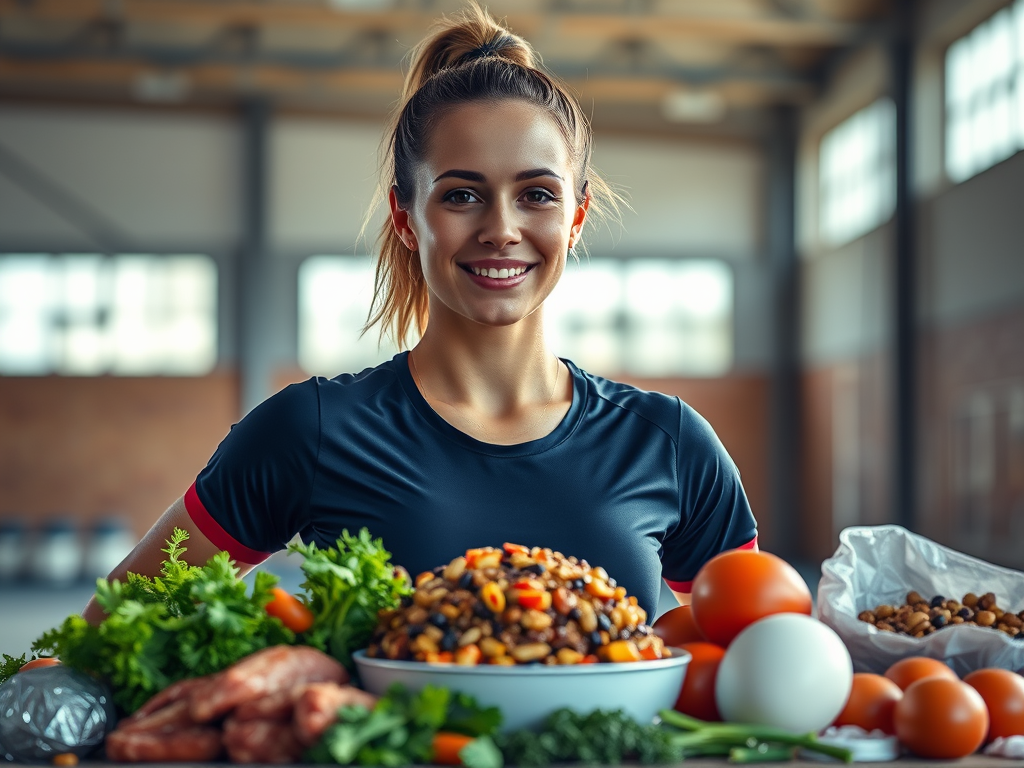
Nutrition During Injury: What Every Footballer Needs to Know
Editor Carolyn Kent Women’s Football Hub
When an athlete gets injured, the focus often shifts to physiotherapy and rehab exercises but one critical factor is frequently overlooked: nutrition. In our latest Women’s Football Hub podcast, I spoke with Phil Woodbridge, a sports nutritionist and PhD researcher, about how diet can influence recovery and why cutting calories might be the worst thing you can do when sidelined.
Why Energy Balance Matters
The first instinct for many injured players is to eat less because they’re not training. But healing is an energy-intensive process. Your body needs fuel to repair tissues, fight inflammation, and restore strength. While you may not need the same calorie intake as during peak training, slashing calories drastically can slow recovery and increase muscle loss.
Phil emphasises the importance of energy balance not too much, not too little. Regular weight checks (done sensitively) can help monitor changes without triggering unhealthy behaviors.
Protein: Your Recovery Powerhouse
Protein is the key nutrient during injury. It supports muscle protein synthesis and helps prevent muscle atrophy when you’re less active. For most athletes, this means increasing protein intake beyond normal levels.
Phil suggests aiming for roughly 2 grams of protein per kilogram of body weight during recovery. For a 60kg player, that’s about 120 grams daily. Lean meats, fish, eggs, dairy, and plant-based options like soy are excellent sources. For vegetarians and vegans, combining foods (e.g., beans and grains) or using protein supplements can help meet targets.
Carbs and Fats: Adjusting the Balance
Carbohydrates still matter, but their proportion in your diet will shift. Since you’re not training at high intensity, you won’t need as many carbs as usual. Instead, focus on a balanced plate:
- Protein: ~40%
- Carbs: ~40%
- Fats: ~20%
Healthy fats, especially omega-3s, play a role in reducing inflammation but timing matters. During the initial inflammatory phase of injury, avoid over-supplementing. Later in recovery, omega-3-rich foods like oily fish can support healing.
Vegetarian and Vegan Athletes: Special Considerations
Plant-based diets can make it harder to hit protein and calorie targets. Foods like beans, lentils, tofu, and fortified soy milk are key, but supplements may be necessary. Phil’s advice: food first, then supplement if needed and always choose products tested for safety (e.g., Informed Sport certified).
Supplements: Worth It?
Vitamin D is a common gap, especially in winter months. A reputable multivitamin or omega-3 supplement can help, but only after assessing your diet. Always buy from trusted sources to avoid contamination.
The Bigger Picture
Nutrition during injury isn’t just about food it’s about mindset. Avoid obsessing over calories or “perfect” diets. As Phil says, “Food first, not only food.” Recovery is a team effort, and involving parents or support networks can make a big difference, especially for younger athletes.
Final Thoughts:
If you’re injured, don’t panic and don’t starve yourself. Focus on energy balance, prioritize protein, and seek professional advice if possible. Your body needs fuel to heal, and smart nutrition can help you return stronger than ever.
Listen to the full episode here
Shop Women’s Football Hub merch: http://www.womensfootballhub.com
Hashtags:
#SportsNutrition #FootballRecovery #WomenInSport #NutritionTips #InjuryRecovery #ProteinForAthletes #FootballPodcast
 Women's Football Hub
Leave a comment