
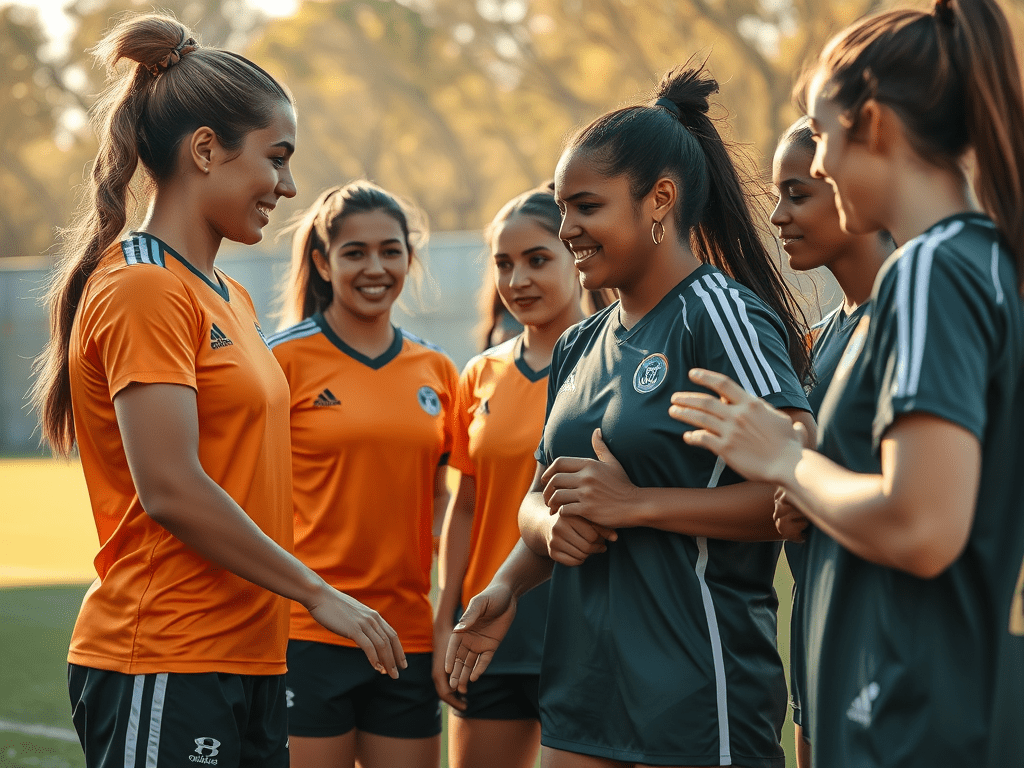
Identity and belonging sit at the heart of every football environment. They influence how players see themselves, how they interact with their teammates, and how they navigate both the successes and the setbacks that shape their careers. In a recent conversation on the Women’s Football Hub Podcast, I sat down with sport psychologist Dr Ian Cookson to unpack what identity truly means for footballers, why belonging matters, and how coaches and practitioners can support players more effectively.
Understanding Identity in Football
Identity in football goes far beyond the shirt a player wears. As Dr Cookson explains, athletes carry a personal identity shaped by their background, values and experiences. But when they enter a team environment, they also take on a group identity – a sense of who they are within that squad, its culture, and its goals.
For many professional athletes, the balance between those identities leans heavily toward their sporting self. When football becomes the dominant part of who they are, other aspects of their life and personality can fade to the background. This can work for performance, but it comes with risk. Dr Cookson refers to this as identity foreclosure – when an athlete becomes so singularly defined by their sport that losing it, even temporarily, leaves them without a sense of self.
And nothing threatens identity quite like injury.
The Psychological Impact of Injury
As someone who tore my ACL at 19, I can speak firsthand about how destabilising rehabilitation can be. My entire identity was wrapped up in being a footballer. When that was taken away, even temporarily, the emotional impact was enormous. I didn’t want to be around the team. I didn’t want to see football at all. It felt like the world had shrunk around me.
This experience is incredibly common. Players with a strong athletic identity often struggle most when injury removes their routine, their social environment, and their sense of purpose. Dr Cookson sees this regularly in his work, and he emphasises that athletes need more than just physical rehab during these periods. They need opportunities to explore other parts of themselves, whether that’s learning new skills, getting involved in community foundations, or pursuing interests outside football.
The goal is not distraction. It is identity expansion.
Youth Academies and the Harsh Reality of “Not Making It”
Perhaps nowhere is identity more fragile than in the academy system. The statistics are stark. Only a tiny fraction of academy players will progress to professional contracts. That means the vast majority will experience the moment every young footballer dreads: being told they’re not going to make it.
The emotional impact of release can be devastating. These players have often dedicated their childhood to the game. When that pathway ends abruptly, identity can collapse. Dr Cookson was encouraged to see recent improvements in aftercare at clubs like Crystal Palace.
Retirement and Identity Loss
Identity challenges don’t end with youth football. Retirement, whether voluntary or forced, is another major transition point. In the men’s game especially, players often experience a sudden loss of structure, belonging, and purpose. Many have never known adult life without football.
Women’s football has historically been different, with most players balancing football alongside education or work. However, as the women’s game becomes increasingly professionalised, similar identity challenges are emerging. Preparing players for life beyond the pitch is essential.
Belonging: The Foundation of a Healthy Team Environment
Where identity is about who a player is, belonging is about where and with whom they feel valued. Dr Cookson defines belonging as a sense of connection to teammates, coaches, and the wider organisation. It is not a given. It must be cultivated.
Teams are not naturally cohesive. They are groups of individuals with diverse backgrounds, beliefs and expectations. When belonging breaks down, whether due to clashing values, lack of psychological safety, or breaches of trust, performance and wellbeing suffer.
Psychological safety, in particular, is crucial. Players need environments where they can speak up, challenge norms and express concerns without fear of negative consequences. Without it, groupthink emerges, and players who feel disconnected or unheard can become isolated.
Learning from Parasport and Amputee Football
A fascinating part of our discussion was Dr Cookson’s work with the England Men’s Amputee Football Team. Unlike typical pathways, many athletes in this environment experience identity loss before discovering football, due to the trauma of limb loss. In these cases, football becomes a powerful vehicle for rebuilding identity, confidence and belonging.
The shared experience within the amputee team creates a strong sense of unity, but the emotional recovery from trauma can take years. Understanding these dynamics is essential for supporting players in any adapted or parasport setting.
Shaping the Future of Women’s Football
Women’s football is growing rapidly, raising important questions about culture, identity and belonging as the game evolves. Will it follow the men’s trajectory, with increased brand protection, commercialisation and media scrutiny? Or can it shape a culture that reflects the experiences, needs and values of women?
Dr Cookson argues that the future of the game must be designed by those who live within it. That means giving women players, coaches and staff genuine influence over shaping football’s culture, rather than simply adopting pre-existing models from the men’s game.
Practical Advice for Coaches and Practitioners
Dr Cookson leaves us with several clear takeaways:
• Become one of the group before trying to shape culture
• Help players develop identities beyond football
• Create genuine psychological safety so voices can be heard
• Avoid imposing values from the top down
• Understand players as people first, athletes second
Final Thoughts
Identity and belonging are not soft topics. They directly influence performance, wellbeing and long-term athlete development. As practitioners, coaches and leaders, we have a responsibility to understand these concepts deeply and support players through the transitions, challenges and opportunities of their careers.
This blog was drafted with support from AI and then reviewed, adapted and edited by the podcast host.
Hashtags:
#WomensFootballHub #SportPsychology #IdentityInSport #BelongingInFootball #ACLRecovery #PlayerCare #FootballCulture #WomenInFootball #AthleteWellbeing #AmputeeFootball
 Women's Football Hub
Leave a comment