
Editor Carolyn Kent – Women’s football hub
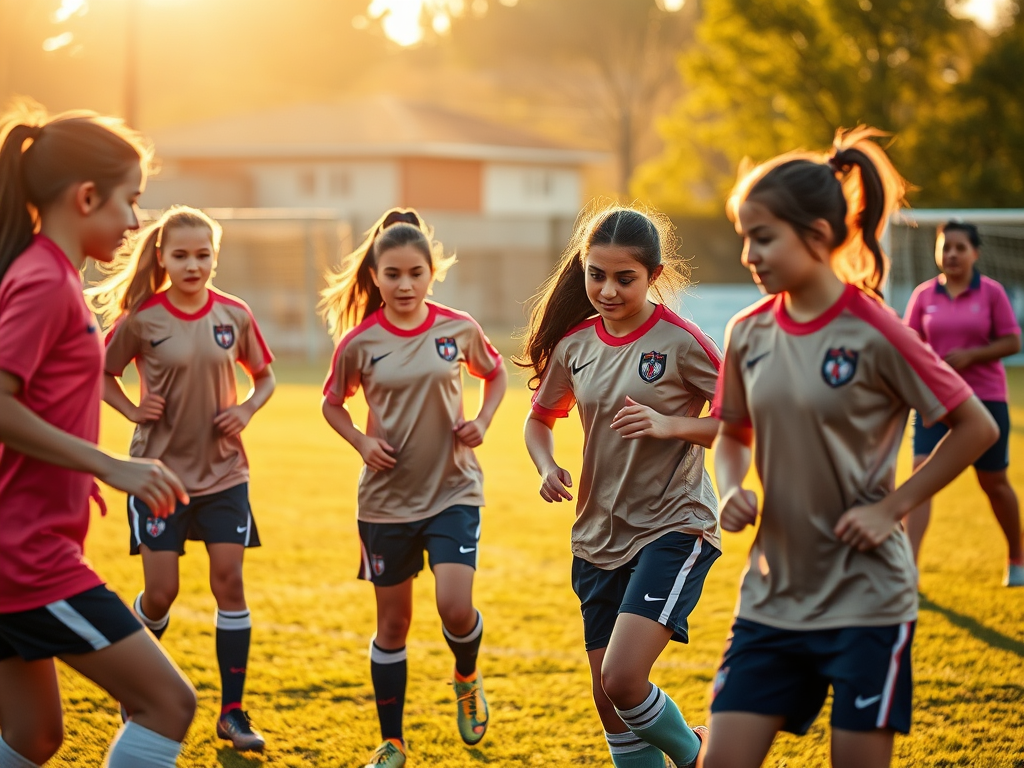
Grassroots football is one of the fastest-growing areas of the women’s game, with young girls joining community clubs in greater numbers than ever before. Yet despite this growth, female health knowledge within grassroots environments still lags behind. Many coaches – most of them volunteers – want to help but simply don’t know where to begin. Parents often face the same uncertainty, unsure which symptoms are normal, which require attention, and how to navigate sensitive conversations.
In this episode of the Women’s Football Hub, pelvic health expert Sarah Thorne joins host Carolyn Kent to shine a light on this vital but under-discussed topic. Drawing on her work with London-based grassroots clubs, Sarah breaks down the fundamentals of female health in a way that is accessible, practical, and directly relevant to the everyday experiences of young players.
This blog summarises the key messages from that conversation and outlines what every club can start doing right now to support their female athletes.
Understanding Grassroots and its Challenges
Grassroots football refers to local community clubs that sit outside the academy and professional pathway. These clubs often rely on volunteer coaches who juggle full-time jobs, families, and busy schedules. While coaching qualifications offer important technical and tactical knowledge, they rarely include meaningful guidance on female-specific health.
Yet girls in grassroots football experience the same physiological changes as any female athlete. Puberty, menstrual cycles, breast development, nutrition needs, pelvic health, and growth-related injury risk all play a role in their participation, performance, and long-term wellbeing.
Sarah emphasises that developing understanding in these areas shouldn’t be seen as “extra” it’s essential. If clubs want to promote participation, reduce dropout, and keep girls healthy, female health education must be at the core of what they do.
Puberty: A Crucial Window for Support
For many girls in football, puberty involves enormous physical, emotional, and hormonal changes. Sarah describes a common phase she calls “the Bambi era” a period where players temporarily seem uncoordinated or clumsy as their bodies grow rapidly. Knees, heels, and hips often become sore. Energy levels fluctuate. Sleep requirements increase.
Rather than viewing this as poor performance or a lack of effort, coaches and parents must understand it as normal development. Increased nutrition, appropriate rest, and reduced load at certain points can help young players navigate this phase safely.
Importantly, communication matters. Girls should feel reassured that nothing is “wrong” with them. Their bodies are simply adapting and supportive adults can make this transition far less stressful.
Menstrual Cycles: Awareness, Tracking, and Reducing Stigma
One of the biggest barriers in female youth sport is the silence around menstrual cycles. Many girls feel embarrassed to talk about their period or worried about how they’ll be perceived during training or selection. Yet as Sarah notes, at any training session for a typical under-12 or under-13 team, several players are likely to be on their period or experiencing cycle-related symptoms.
Cycle tracking is one of the simplest, most empowering tools available. For younger players, it can be as basic as noting the first and last day of a bleed on a calendar. This helps establish whether their cycle is regular and whether symptoms are changing over time.
But tracking also teaches girls to understand their bodies. Fatigue, irritability, dips in performance these aren’t character flaws. They are predictable, physiological responses to hormonal fluctuations.
For clubs, the goal isn’t to collect personal data from players. Instead, coaches should encourage girls to learn the basics and talk openly about the fact that menstrual cycles exist, are normal, and may affect how a player feels on any given day.
Simple provisions can make a huge difference:
• A discreet sanitary product kit in the team bag
• Access to period underwear options
• Normalising conversations about energy levels, cramps, or discomfort
• Providing a private space to change if needed
These small steps reduce anxiety and help girls feel supported, not embarrassed.
Breast Development, Sports Bras, and Reducing Dropout
As girls enter puberty, breast changes can cause discomfort, self-consciousness, and even pain during sport yet many still train without proper support.
A well-fitted sports bra is as essential as football boots. Poor support can contribute to reduced performance, postural changes, and avoidable injury risk. It can also be a quiet factor behind dropout.
Clubs can help by:
• Signposting parents to reputable sports bra fitting services
• Including breast health in seasonal education workshops
• Encouraging girls to try different styles and find what feels supportive
Early conversations make this topic less awkward and more routine.
Pelvic Health: A Topic That Cannot Be Ignored
Pelvic health is often misunderstood as an “adult issue,” yet research shows that urinary leaking and pelvic floor dysfunction affect many young athletes.
Sarah sees this regularly. Girls may experience leakage when sprinting, shouting, jumping, or striking a ball. They rarely tell coaches or parents because they feel embarrassed.
Clubs can help normalise awareness by:
• Displaying simple posters in toilet areas explaining what’s common but not normal
• Including pelvic floor basics in workshops
• Teaching players how breathing patterns influence abdominal pressure
• Incorporating low‑level yoga or mobility drills into warm‑ups
Building confidence and reducing stigma can encourage players to seek appropriate help early. If a young athlete experiences pain, leakage, or persistent symptoms, referral to a doctor or pelvic health physiotherapist is appropriate and important.
Nutrition and Load Management: Fuel for Growth and Performance
During growth spurts, young athletes need significantly more calories especially from carbohydrates and protein. Girls often under-fuel due to hectic schedules, misconceptions about “healthy eating,” or cultural pressures around portion size.
Underfueling impacts:
• Energy levels
• Injury risk
• Recovery
• Menstrual health
• Mental wellbeing
• Long-term development
Clubs can support better habits by:
• Encouraging players to bring two drinks (water + electrolytes)
• Discussing suitable pre- and post-training snacks
• Teaching players the difference between light meals and appropriate fuel
• Reinforcing that sport requires energy, not restriction
If a player loses their period, feels constantly fatigued, or struggles with performance dips, this may indicate underfueling or a condition such as hypothalamic amenorrhea. Early medical guidance is essential.
The Top Three Essentials Every Club Must Have
As the episode concludes, Sarah highlights three non-negotiables for any club wanting to support female athletes:
- Sanitary products available in all toilets and changing rooms.
This reduces panic, stress, and barriers to participation. - Signposted information on female health topics.
Posters in toilets, corridors, or changing areas help normalise conversations and educate players. - Seasonal education workshops for players, parents, and coaches.
Female health should be a standard module—just as important as first aid or safeguarding.
These basics are simple yet transformative. When girls feel understood, supported, and equipped with knowledge, their confidence grows and with it, their love of the game.
Conclusion
Supporting female health in grassroots football doesn’t require expensive equipment or complex interventions. It requires awareness, open conversation, consistent signposting, and a willingness to learn. With the right knowledge, clubs can create environments where girls feel confident, healthy, and empowered throughout their development.
Grassroots football is often where passion for the sport is born and with better support, it can also be where girls learn that their bodies are strong, capable, and worth caring for.
Hashtags:
#womensfootballhub #femalehealth #grassrootsfootball #girlssport #femaleathlete #pelvichealth #menstrualhealth #sportsperformance #youthfootball #womensfootball
This blog was created from the podcast with the assistance of AI, then fully checked and edited by the podcast host.
 Women's Football Hub
Leave a comment